Good Debt vs. Bad Debt: What’s the Difference?
How to judge a loan by its cost, purpose and payoff.
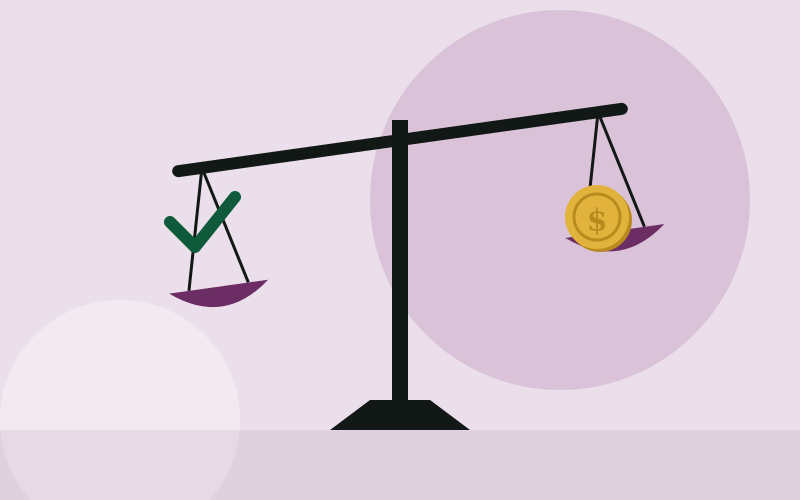
There’s no debt that is automatically good or bad. A useful test is whether the loan pays for something likely to increase your income or net worth over time, at a cost you can comfortably afford.
Questions to ask before borrowing
What will this money buy, and will it still have value when the loan is paid off?
What is the total cost including interest and fees, and can the payment fit your budget even if your income dips?
Debt that often helps
A reasonably priced mortgage on a home you can afford, education that realistically raises earnings, or a business loan with a clear plan can build long-term value.
Even these can go wrong if the amount is too large relative to income.
Debt that often hurts
High-interest credit card balances carried month to month, payday loans and borrowing for things that lose value quickly tend to cost far more than they return.
Paying these off is often one of the best guaranteed “returns” available.
List your debts from highest to lowest interest rate. Extra payments toward the top of the list save the most money.
Frequently asked questions
Is it better to have no debt at all?
Not necessarily. Some debt can be useful, but only at a cost and size you can manage comfortably.
Should I invest or pay off debt?
Compare the debt’s interest rate with a realistic expected return. High-rate debt usually comes first.
This guide explains a general concept; it isn’t a recommendation to buy, sell or borrow. For decisions about your own money, consider speaking with a licensed financial professional.