What Is Compound Interest, Really?
Why time matters more than timing — and how growth on growth adds up.
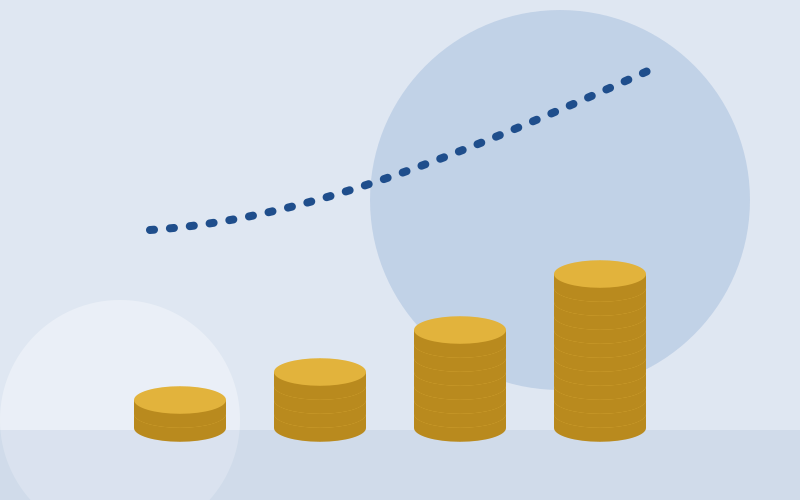
Compound interest means you earn returns not only on the money you put in, but also on the returns it has already earned. Over long periods, that “growth on growth” can become larger than your original contributions.
Simple vs. compound
With simple interest, $1,000 at 5% earns $50 every year — always on the original $1,000.
With compound interest, year one earns $50, but year two earns 5% on $1,050, and so on. The amount earned grows each year because the base keeps growing.
Why time is the key ingredient
Compounding is slow at first and fast later. Most of the growth in a long-term investment tends to arrive in the final years, which is why starting early matters so much.
A handy shortcut is the Rule of 72: divide 72 by the annual rate to estimate how many years it takes money to double. At 6%, that’s about 12 years.
It works against you too
Debt compounds as well. Unpaid credit card interest is added to the balance, and then interest is charged on that larger balance.
That’s why high-interest debt can grow quickly if only minimum payments are made.
Small, regular contributions started early often beat larger contributions started late. Consistency is the lever you control.
Frequently asked questions
Does compounding frequency matter?
Somewhat. Daily or monthly compounding yields slightly more than yearly at the same rate, but the rate and time matter far more.
Do stocks compound?
Not with a fixed rate, but reinvested dividends and gains grow on themselves in a similar way over time.
This guide explains a general concept; it isn’t a recommendation to buy, sell or borrow. For decisions about your own money, consider speaking with a licensed financial professional.