What Causes a Recession?
Demand shocks, tight credit and confidence — how economies slow down.
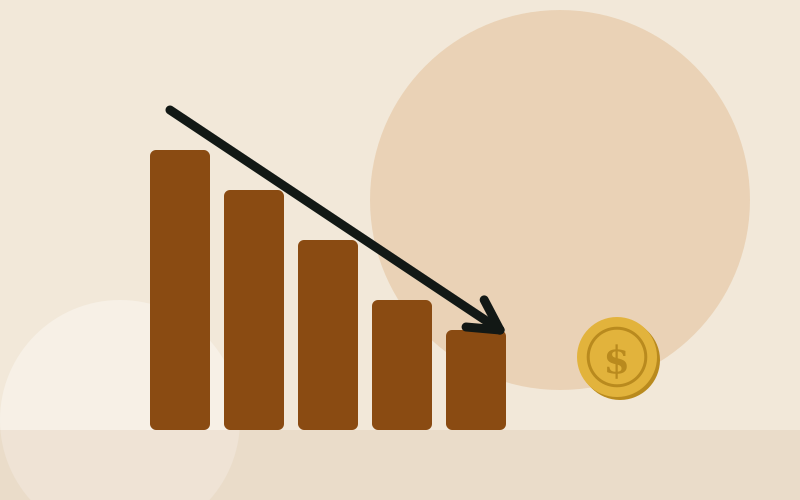
A recession is a significant, widespread decline in economic activity that lasts more than a few months. It usually starts when spending falls — because of a shock, tighter credit or lost confidence — and businesses respond by cutting output and jobs.
What counts as a recession
A common rule of thumb is two consecutive quarters of falling GDP, but official bodies often look more broadly at jobs, income, sales and production.
The key features are depth, breadth across the economy, and duration.
Common triggers
Demand shocks: a sudden event such as a pandemic, an energy-price spike or a financial crisis causes people and firms to spend less.
Tight credit: when interest rates rise sharply or banks pull back on lending, borrowing for homes, cars and investment slows. Bursting bubbles: when overvalued assets fall, people feel poorer and cut spending.
Why it feeds on itself
One person’s spending is another’s income. When firms cut jobs, households spend less, which hurts other firms, which cut more jobs.
Confidence plays a big role: fear of a downturn can cause the caution that deepens it.
How economies recover
Central banks typically cut interest rates, and governments may increase spending or cut taxes to support demand.
Over time, prices adjust, debts are worked down and spending resumes.
An emergency fund and manageable debt are the best personal protection against a downturn you can’t predict.
Frequently asked questions
Can recessions be predicted?
Not reliably. Some indicators have signaled past recessions, but timing and severity are very hard to forecast.
What’s the difference between a recession and a depression?
A depression is an exceptionally severe and long-lasting recession.
This guide explains a general concept; it isn’t a recommendation to buy, sell or borrow. For decisions about your own money, consider speaking with a licensed financial professional.