How to Make a Budget You’ll Actually Keep
A simple framework built around real spending.
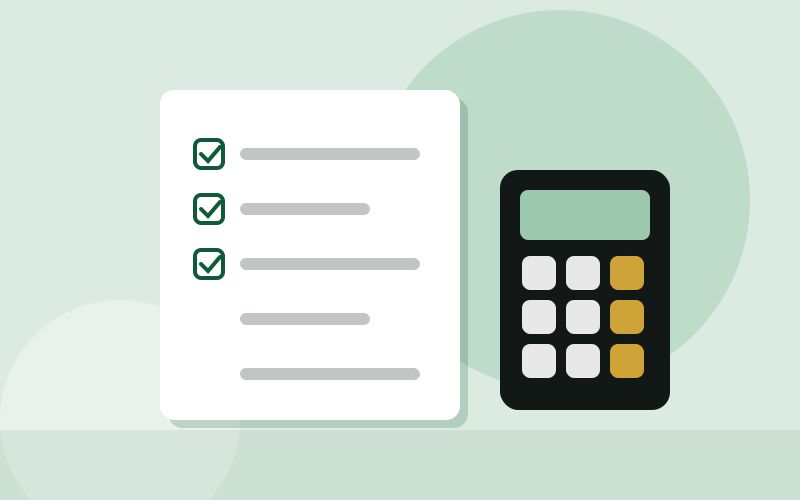
A budget is a plan for where your money goes before you spend it. The ones that last are simple, based on what you actually spend, and leave room for both savings and some enjoyment.
Start with what really happens
Look at the last two or three months of bank and card statements and group spending into a few categories.
This shows your real habits — not the ones you hope you have — and gives you an honest starting point.
Use a simple framework
One popular guide is 50/30/20: about 50% of take-home pay to needs, 30% to wants and 20% to saving and paying down debt.
Treat the numbers as a starting point, not a rule. In high-cost cities, needs often take more.
Make it automatic
Move savings out on payday before you can spend them. Put fixed bills on autopay.
What’s left in your everyday account is what you can spend, which removes much of the daily math.
Review, don’t punish
Check in once a month. If a category keeps running over, adjust it rather than giving up on the whole plan.
A budget that bends survives; one that’s too strict gets abandoned.
Include a small “anything” category for unplanned fun. It makes the rest of the plan much easier to stick to.
Frequently asked questions
Do I need an app?
No. A notebook or simple spreadsheet works. The best tool is the one you’ll actually open.
What if my income changes every month?
Budget from your lowest typical month and save the extra in good months.
This guide explains a general concept; it isn’t a recommendation to buy, sell or borrow. For decisions about your own money, consider speaking with a licensed financial professional.