An index fund holds all, or a representative sample, of the securities in a market index, so its returns track that index. Because it follows a set list instead of picking winners, it is usually cheap to run and broadly diversified.
What an index is
An index is a list of securities that represents a market or part of one — for example, the largest companies in a country, or a broad set of bonds.
An index fund buys those holdings in the same proportions and adjusts when the index changes.
Why investors like them
Diversification: one fund can spread your money across hundreds or thousands of companies.
Low cost: without a team picking stocks, fees are often much lower than actively managed funds — and fees are subtracted from your return every single year.
What to keep in mind
An index fund will fall when its market falls; it aims to match the market, not beat it or avoid losses.
Compare the fund’s expense ratio, what index it tracks, and how closely it has followed that index.
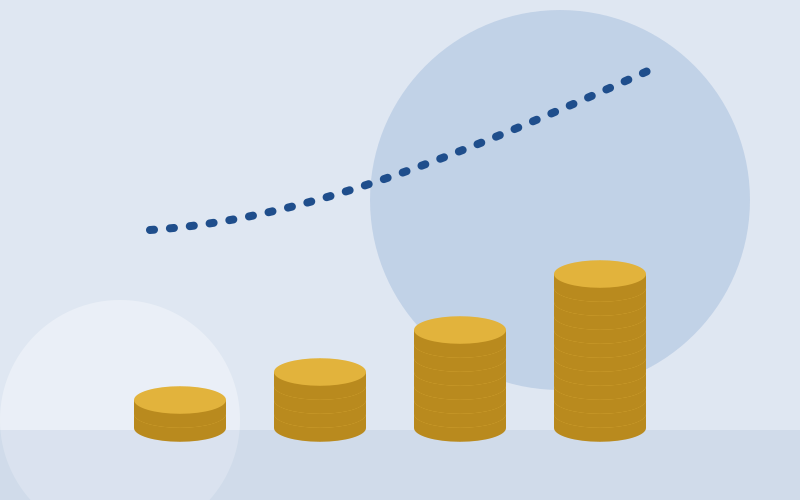
A small difference in yearly fees compounds over decades. Always check the expense ratio before buying any fund.
Frequently asked questions
Are ETFs and index funds the same?
Many ETFs are index funds traded on an exchange like a stock. Some mutual funds are index funds too.
Do index funds pay dividends?
Yes, if their holdings do. You can usually choose to receive them or reinvest them.
This guide explains a general concept; it isn’t a recommendation to buy, sell or borrow. For decisions about your own money, consider speaking with a licensed financial professional.