How Are Currency Exchange Rates Set?
Supply, demand and central banks behind the rate.
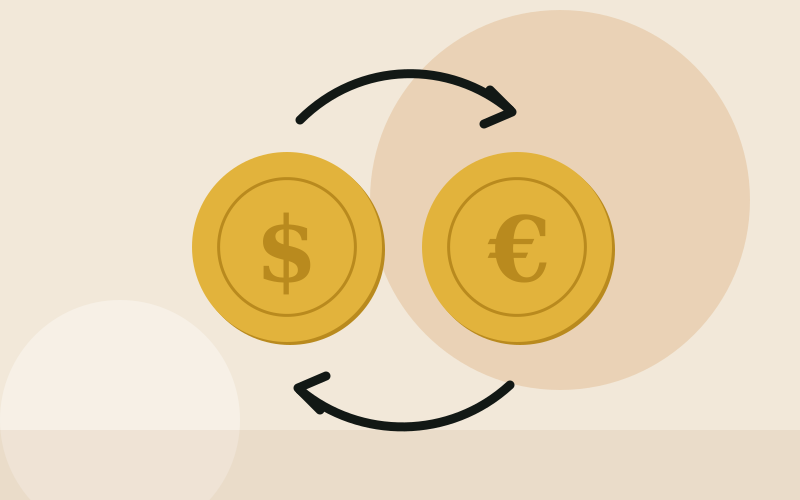
Most major currencies float: their exchange rates are set by supply and demand in global currency markets. Interest rates, inflation, trade flows and investor confidence all shift that demand. Some countries instead fix or manage their rate.
Floating, fixed and in between
Under a floating rate, the price of a currency changes constantly as people buy and sell it.
Under a fixed or pegged rate, a central bank commits to keep its currency at a set level against another, buying or selling reserves to defend it. Many countries sit somewhere in between.
What moves a floating rate
Higher interest rates can attract foreign savings, raising demand for a currency. Higher inflation tends to weaken it over time because it erodes purchasing power.
Exports bring in demand for the local currency; imports send it out. Political and economic uncertainty can push investors toward currencies seen as safer.
What it means for you
A weaker home currency makes imports and foreign travel more expensive but helps exporters.
A stronger one makes foreign goods cheaper but can hurt local industries that compete with imports.
When converting money, compare the rate you’re offered with the mid-market rate. The gap is the hidden fee.
Frequently asked questions
Can anyone predict exchange rates?
Short-term moves are notoriously hard to forecast, even for professionals.
Why do some countries peg their currency?
To provide stability for trade and to anchor inflation, at the cost of less independent monetary policy.
This guide explains a general concept; it isn’t a recommendation to buy, sell or borrow. For decisions about your own money, consider speaking with a licensed financial professional.