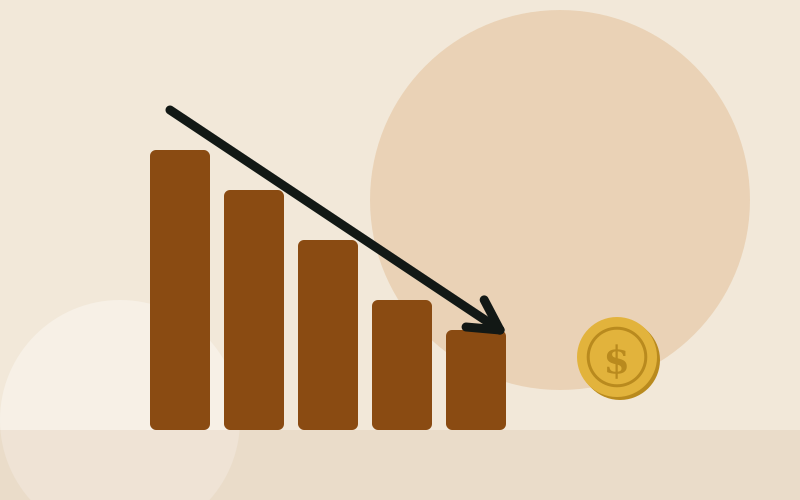
How Supply and Demand Set Prices
The most basic idea in economics, explained simply.
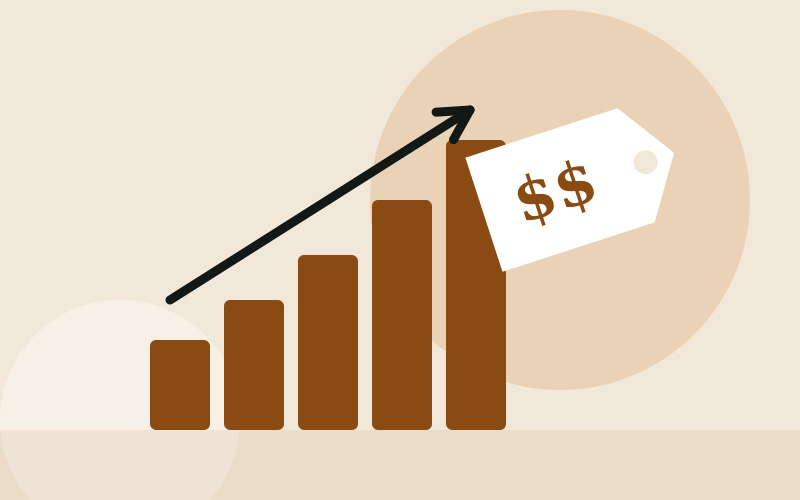
In a market, prices tend to settle where the amount buyers want matches the amount sellers offer. When demand rises or supply falls, prices tend to go up; when demand falls or supply rises, prices tend to go down.
The demand side
At lower prices, people generally want to buy more; at higher prices, less.
Demand shifts when incomes, tastes, population or the prices of related goods change.
The supply side
At higher prices, producers are generally willing to make and sell more.
Supply shifts with production costs, technology, weather and disruptions like shortages.
Where they meet
The price where quantity demanded equals quantity supplied is called the equilibrium.
Shortages push prices up toward that point; surpluses push them down.
When a price changes, ask whether demand or supply moved. It explains most price headlines.
Frequently asked questions
Why don’t prices adjust instantly?
Contracts, menus, regulations and habits slow changes, especially for wages and rents.
What is elasticity?
How strongly buyers or sellers respond to a price change.
This guide explains a general concept; it isn’t a recommendation to buy, sell or borrow. For decisions about your own money, consider speaking with a licensed financial professional.