What Is a Trade Deficit — and Is It Bad?
Imports, exports and what the balance really shows.
A trade deficit means a country imports more goods and services than it exports. It isn’t automatically good or bad — it reflects spending, saving and investment patterns, and is usually offset by money flowing in from abroad.
The basic definition
The trade balance equals exports minus imports. A negative number is a deficit; a positive one is a surplus.
It can be measured for goods only, or for goods and services together.
The other side of the ledger
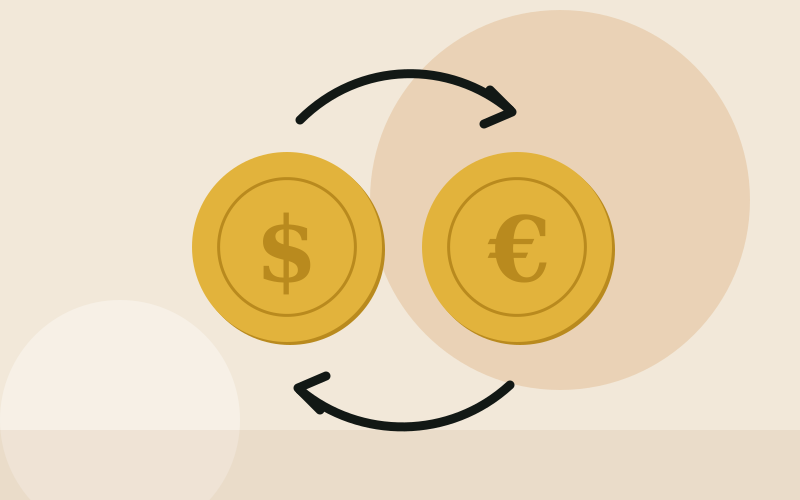
If a country buys more from abroad than it sells, foreigners end up holding its currency or assets.
Those funds often flow back as investment — buying bonds, shares or businesses — which is why deficits and capital inflows tend to move together.
When it becomes a concern
Persistent large deficits funded by short-term borrowing can leave a country vulnerable if lenders lose confidence.
Deficits that fund productive investment are generally viewed differently from those that fund consumption.
Look at what a deficit is paying for and how it’s financed — not just its size.
Frequently asked questions
Do trade deficits cost jobs?
They can affect specific industries, but the overall link to employment is debated among economists.
Can every country run a surplus?
No. Globally, one country’s surplus is another’s deficit.
This guide explains a general concept; it isn’t a recommendation to buy, sell or borrow. For decisions about your own money, consider speaking with a licensed financial professional.