A dividend is a payment a company makes to its shareholders, usually from profits. Not every company pays one, and dividends can be raised, cut or stopped at the company’s discretion.
Where dividends come from
A profitable company can reinvest earnings into the business, buy back shares, or pay some out as dividends.
Mature companies with steady profits are more likely to pay regular dividends than fast-growing ones.
Key dates and terms
To receive a dividend, you generally need to own the shares before the ex-dividend date.
Dividend yield is the yearly dividend divided by the share price. A very high yield can be a warning sign that the price has fallen on worries about the business.
Reinvesting
Many brokers let you automatically reinvest dividends to buy more shares.
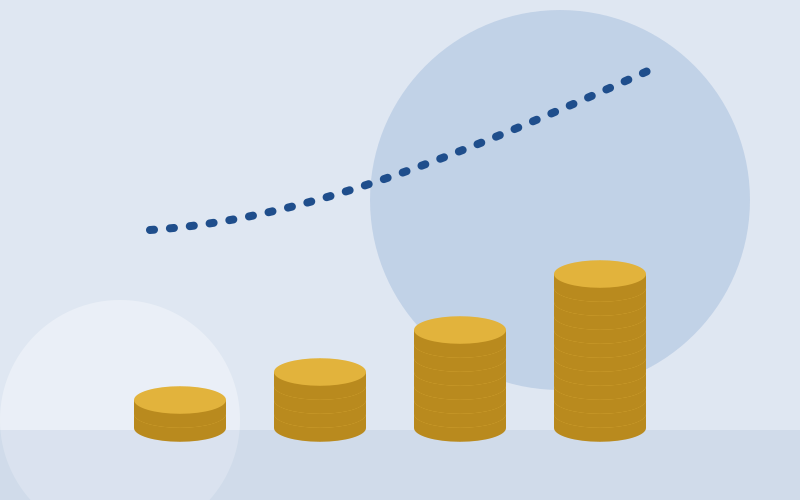
Over long periods, reinvested dividends have made up a meaningful part of total stock-market returns.
Look at a company’s ability to keep paying, not just the size of the yield.
Frequently asked questions
Are dividends guaranteed?
No. Companies can reduce or suspend them, especially in difficult times.
Are dividends taxed?
Often, yes, depending on your country and the type of account holding the shares.
This guide explains a general concept; it isn’t a recommendation to buy, sell or borrow. For decisions about your own money, consider speaking with a licensed financial professional.