Why Higher Returns Usually Mean Higher Risk
The basic trade-off behind every investment.
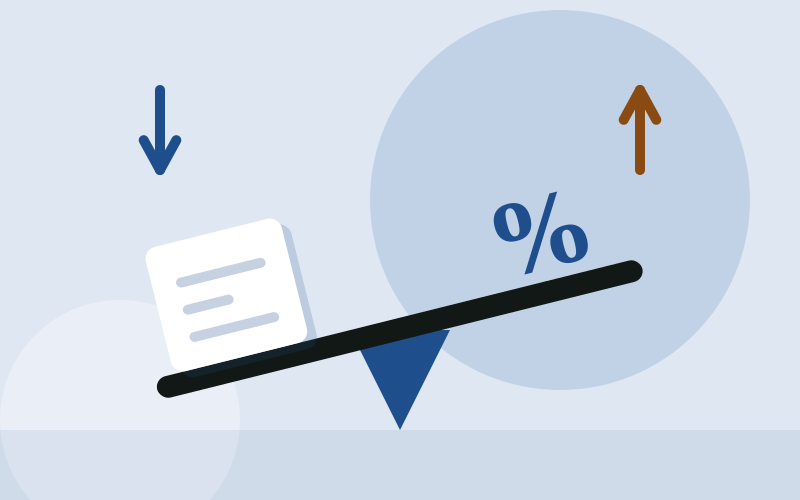
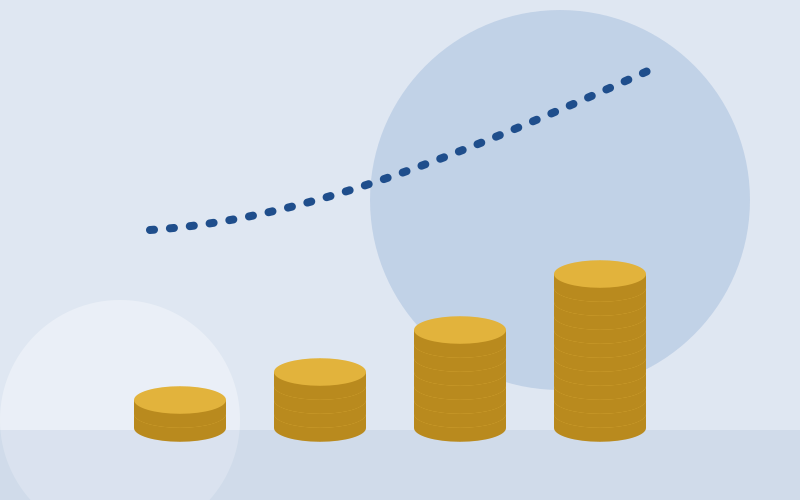
Investors expect to be paid more for taking on more uncertainty. That’s why investments with higher potential returns, like stocks, also tend to have bigger swings and a greater chance of losses than safer options like savings accounts.
Risk means uncertainty
In investing, risk usually refers to how widely results can vary — including the possibility of losing money.
A savings account has very predictable results; a single stock’s results can vary enormously.
Why the premium exists
If a risky investment offered the same return as a safe one, few people would choose it. Prices adjust until riskier assets offer higher expected returns.
Expected is the key word: higher risk means higher potential return, not a guaranteed one.
Finding your level
How much risk makes sense depends on your time horizon, goals and how you’d react to a large decline.
Money needed soon is usually kept in lower-risk places; long-term money can often take more risk.
Be skeptical of any offer promising high returns with little or no risk. That combination is a classic warning sign of fraud.
Frequently asked questions
Can diversification reduce risk without reducing return?
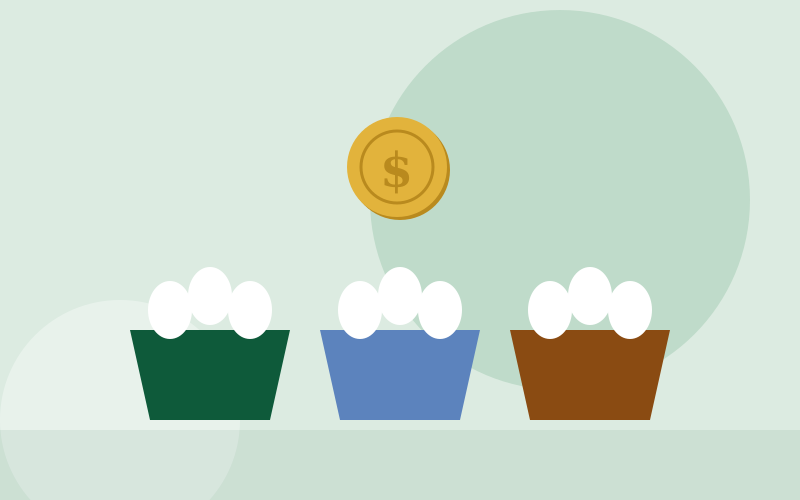
It can reduce risk tied to individual companies, which is why it’s often called the closest thing to a free lunch in investing.
Is cash risk-free?
It’s stable in value, but it carries inflation risk — it can lose purchasing power over time.
This guide explains a general concept; it isn’t a recommendation to buy, sell or borrow. For decisions about your own money, consider speaking with a licensed financial professional.